Carl Jung
Carl Jung and the Foundations of Analytical Psychology
Carl Jung, a luminary in the realm of psychology, is renowned for his profound contributions to analytical psychology. Born in 1875 in Switzerland, Jung’s legacy extends far beyond the boundaries of traditional psychology, delving into the intricate realms of the unconscious, archetypes, and the collective human experience.
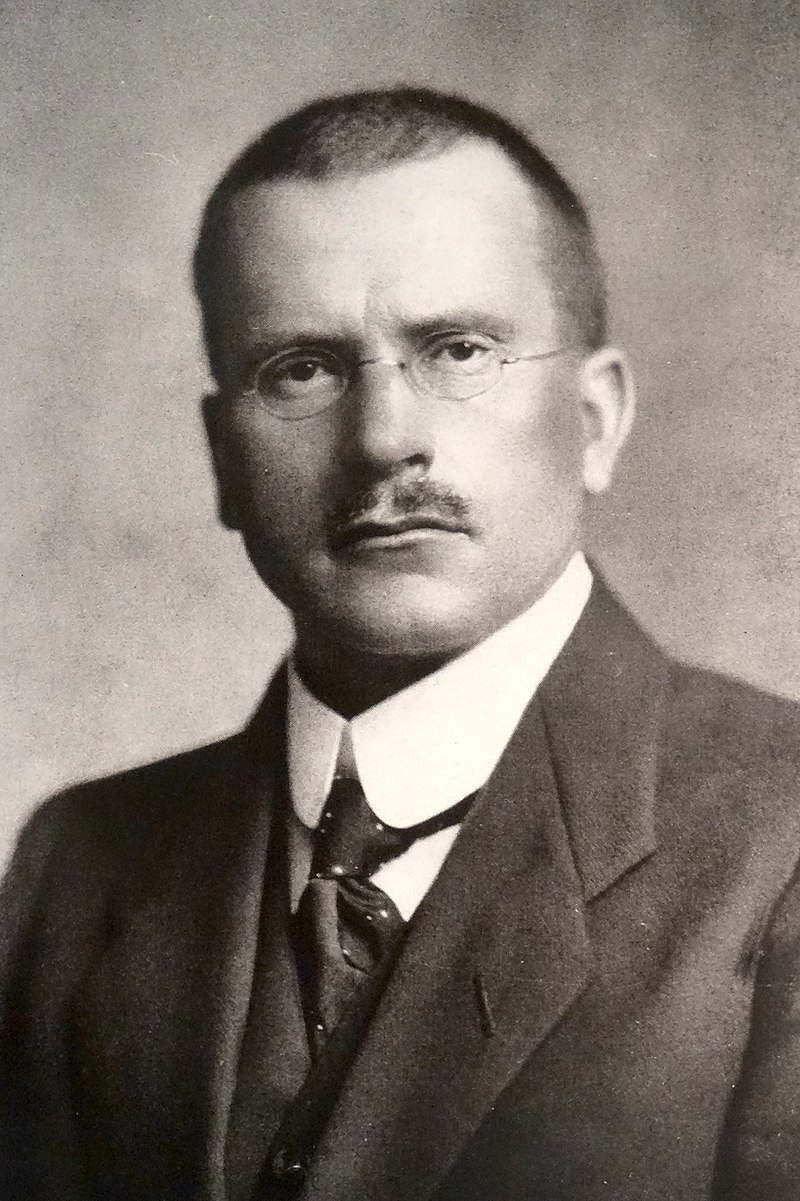
Architect of Analytical Psychology
Jung’s indelible mark on psychology is epitomised by his development of analytical psychology. Departing from his mentor ‘s theories, Jung’s approach embraced a broader exploration of the human psyche, delving into the layers of the conscious and unconscious mind to uncover the profound dynamics that shape human behaviour and thought.
Journey into the Unconscious
At the core of Jung’s work lies a fascination with the unconscious mind. He believed that beneath the surface of our conscious awareness lay a vast sea of symbols, images, and experiences that held the key to understanding our true selves. By delving into this uncharted territory, individuals could unlock the mysteries of their motivations, desires, and fears.
Archetypes and the Collective Unconscious
Jung’s groundbreaking concept of archetypes illuminated the universal patterns that permeate the human experience. These archetypes, rooted in the collective unconscious, are ancient, universal symbols that shape our thoughts, emotions, and behaviours. By recognising and integrating these archetypal elements, individuals can tap into a deeper understanding of themselves and their place in the world.
Individuation and Wholeness
A cornerstone of Jung’s philosophy is the process of individuation – the journey towards self-realisation and wholeness. Jung believed that this process involved integrating the various aspects of our psyche, including the shadow (unconscious aspects we reject), anima/animus (inner feminine/masculine qualities), and the self (the central archetype representing the unified personality).
The Therapeutic Relationship
Central to Jung’s therapeutic approach was the significance of the therapist-client relationship. Jung viewed the therapist as a guide on the individual’s journey of self-discovery. Through dialogue, dream analysis, and exploration of symbolism, the therapist helped clients navigate their unconscious landscapes, fostering personal growth and insight.
These ideas continue to inform contemporary counselling and psychotherapy, particularly in approaches that value meaning-making, symbolism, and depth-oriented exploration.
Dreams as Windows to the Soul
Jung regarded dreams as a direct portal to the unconscious, where symbols and imagery offered glimpses into the deeper layers of the psyche. He developed a method of dream analysis that focused not only on the dream’s content but also on the emotional reactions and associations it evoked. This approach allowed individuals to access hidden aspects of themselves and uncover valuable insights.
Balancing the Opposites
Jung’s philosophy embraced the idea of balancing opposites – the integration of conflicting elements within ourselves. He believed that by acknowledging and embracing the polarities within us, we could attain a state of equilibrium and harmony. This approach encouraged individuals to confront their internal conflicts and seek resolution.
Impact on Modern Psychology
Jung’s influence extends far beyond his lifetime. His concepts have left an indelible mark on modern psychology, permeating fields such as art, literature, mythology, and spirituality. His exploration of the deeper layers of the human psyche continues to inspire individuals to embark on journeys of self-discovery, integration, and personal transformation.
A Lasting Legacy
Carl Jung’s legacy serves as a testament to the complexity and richness of the human experience. His exploration of the unconscious, archetypes, and individuation has expanded the horizons of psychology, inviting us to delve into the depths of our psyche and uncover the hidden facets that shape our lives.
As we delve into the realm of psychology, Carl Jung’s contributions stand as an intricate map, guiding readers towards a deeper understanding of psychological development and the structure of human consciousness.